
Stone Eagle Winery, Designing a Contemporary Ritual of Wine and Landscape
A five-year design journey in Niagara-on-the-Lake exploring how architecture, landscape, and wine culture converge.
Interior Architecture and Design: Adriana Mot — Dochia Interior Design
Vineyards in Niagara-on-the-Lake move at the pace of seasons, architecture grows among rows of vines, and hospitality is about spectacle and ritual. Stone Eagle Winery reflects the character of the region. A place where craftsmanship meets patience, where landscape shapes architecture. And where hospitality remains inseparable from the land that produces the wine.
From the beginning, Stone Eagle Winery, a hospitality project designed by Adriana Mot of Dochia Interior Design, was intended as a place for architecture and the culture of wine to coexist as one integrated experience.
The project has now received international recognition through the LIV Hospitality Design Awards, acknowledging the work as an example of how design can evolve beyond aesthetics to become an orchestrated experience of place.
In Niagara-on-the-Lake, vineyards stretch across a landscape shaped by lake winds and limestone soil. Buildings introduced into this setting must negotiate a delicate balance between agriculture and hospitality. Stone Eagle Winery approaches that balance with restraint, positioning architecture as a quiet framework for the rituals of wine tasting rather than as a spectacle in itself.
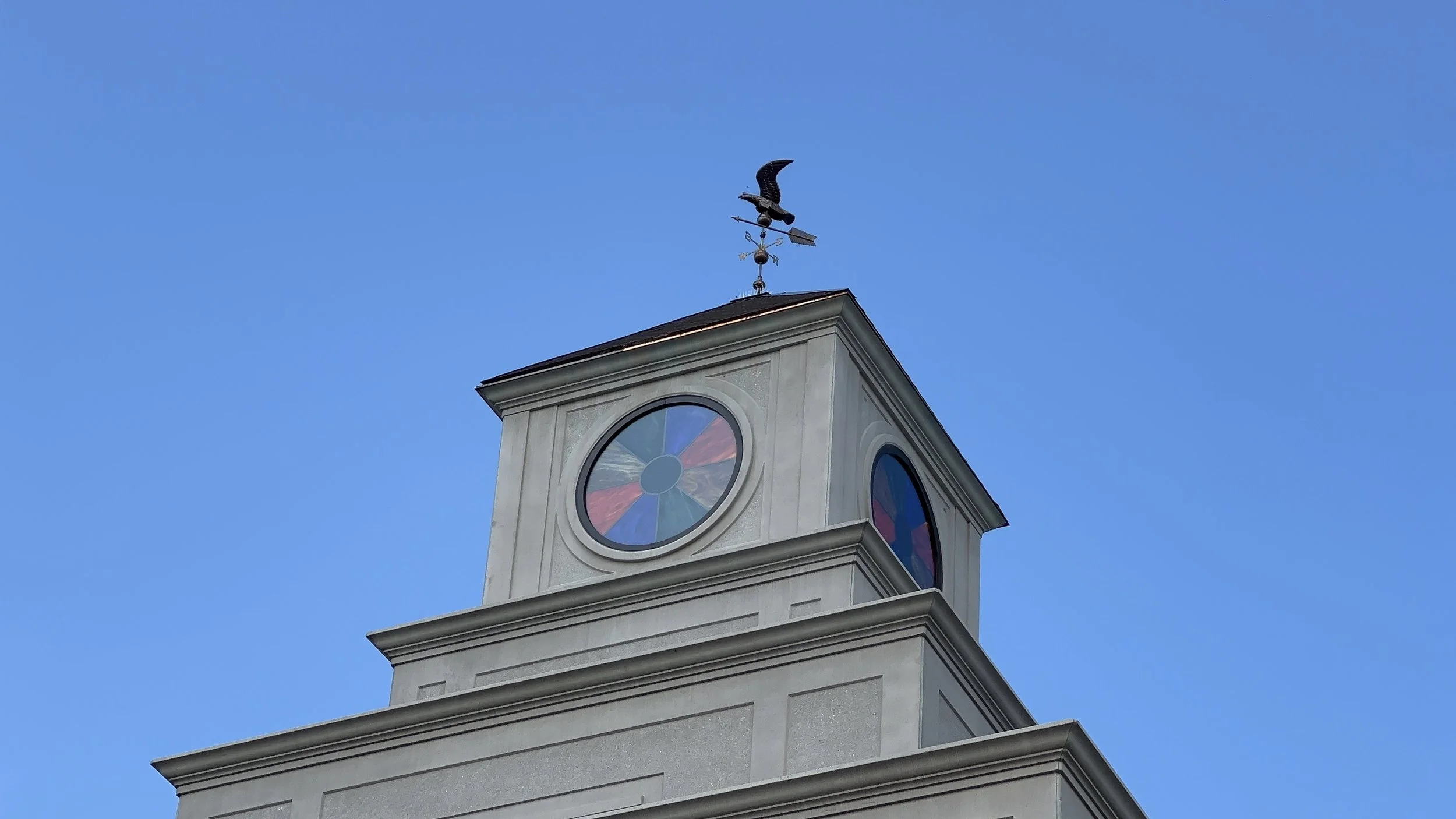
The Campanile
Landscape Demands Patience
Niagara-on-the-Lake has a long tradition of craftsmanship shaped by viticulture—vines that take years to mature, cellars that demand careful climate control, and the annual unveiling of vintages that reflect the slow, unhurried rhythm of the land. Perhaps this is why vineyards are rarely anonymous operations; they are family histories written across fields.
Wine culture, more than most hospitality fields, requires patience, and designing for it demands a similar discipline. This project began with a simple question: how can architecture support the rituals that define wine culture? Wine tasting is never merely about consumption. It is about observation, conversation, memory, and interpretation. The spaces that host these rituals must therefore provide both structure and spectacle.
Stone Eagle Winery emerged from this premise. The interiors developed through a layered approach in which landscape, architecture, and the culture of winemaking were considered simultaneously.
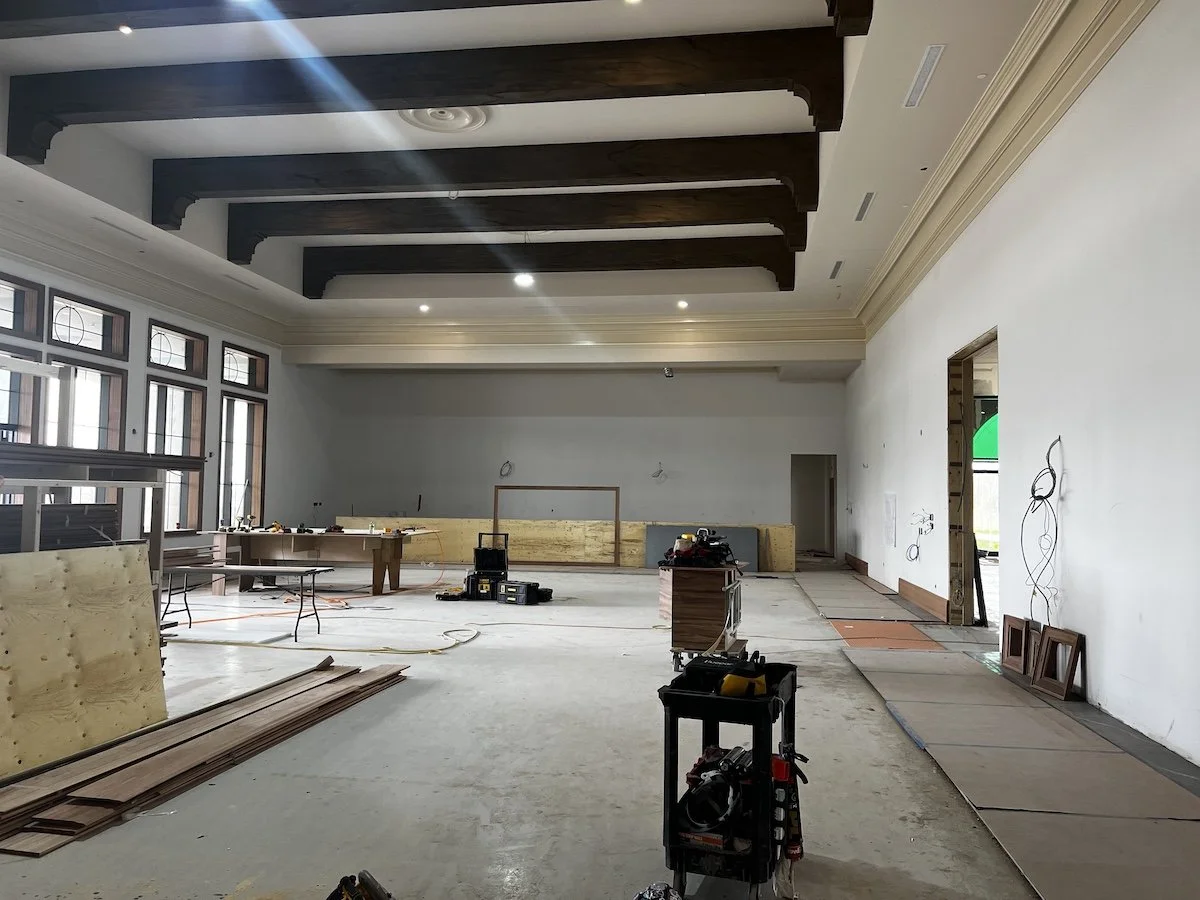
The Tasting room in construction, at the installation of the custom-designed ceiling beams
The Architecture of Hospitality
At its core, Stone Eagle is a project about alignment—between landscape, building envelope, and interior experience.
In wine regions, architecture operates under a particular constraint: the vineyard always comes first. Rows of vines establish a geometry that predates the building, and any structure introduced into that field must negotiate its presence carefully.
The architecture therefore establishes a material framework drawn from the region itself: stone, timber, and restrained metal elements. These materials do not attempt to redefine the landscape. Instead, they extend its vocabulary, allowing the building to sit within the vineyard rather than apart from it.
Inside, the spatial organization follows the cadence of wine culture. Movement through the winery unfolds gradually—arrival, orientation, discovery, gathering.
Circulation routes are structured but understated. Visitors move from exterior to interior, from tasting areas to lounges, from movement to pause, without abrupt transitions.
Architecture, here, behaves almost like infrastructure.
Rooms open toward the vineyard at measured intervals, maintaining a visual relationship with the agricultural landscape beyond the walls. The vineyard remains the constant reference point.
The result is a hospitality environment where architecture organizes experience quietly, allowing wine, conversation, and landscape to remain the central actors.
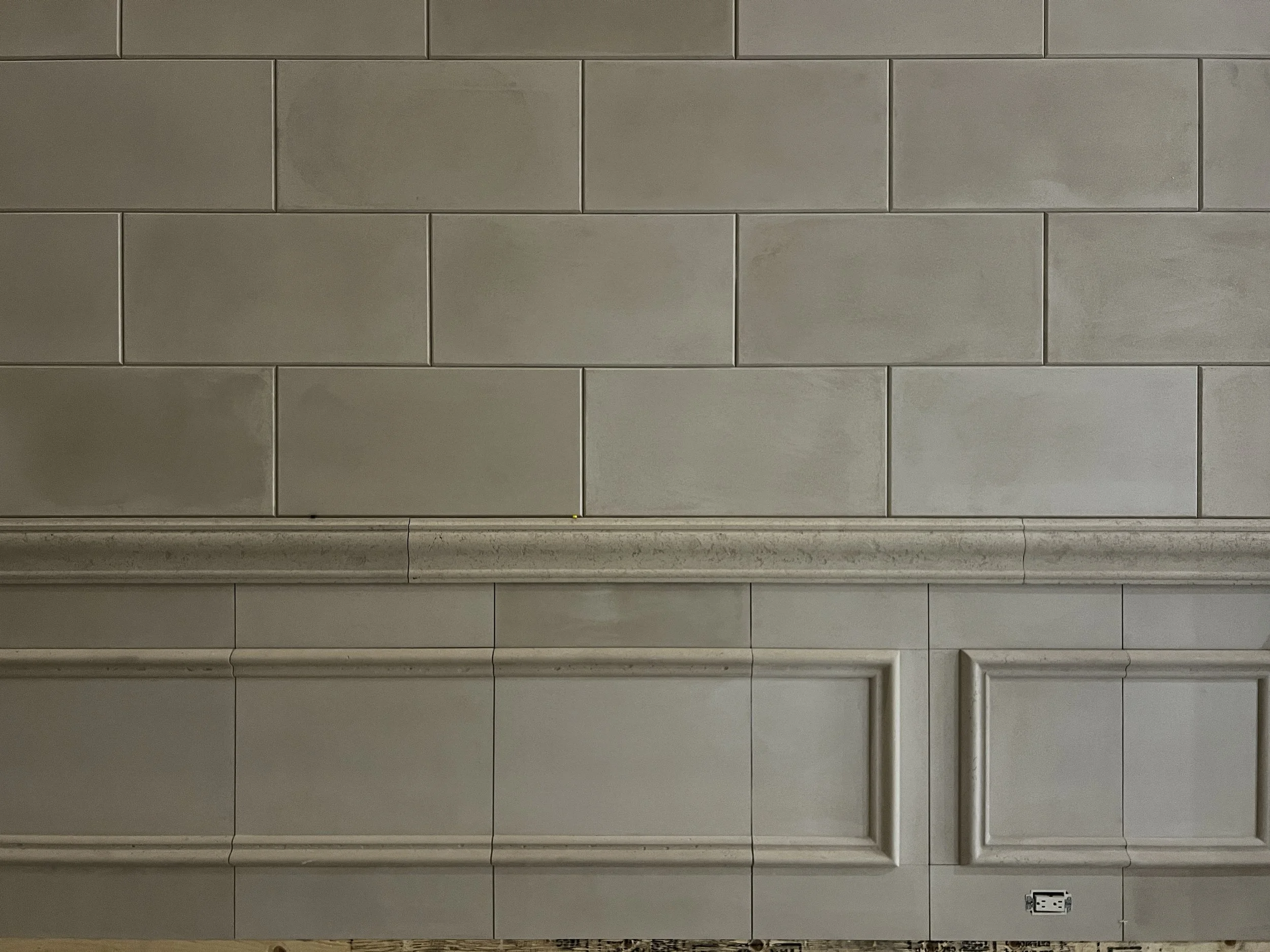
The carefully designed pattern, sizing and profiles of the man-made limestone walls
Designing the Interior Experience
Interior architecture in hospitality projects often becomes a negotiation between atmosphere and function. In wineries, that balance becomes particularly delicate. Spaces must accommodate public gatherings while maintaining the quiet concentration that wine appreciation requires. For Stone Eagle, the interior strategy developed around three guiding principles: material continuity, spectacle, and atmospheric restraint.
Material continuity maintains a visual relationship between interior spaces and the architectural envelope. Stone, timber, and natural finishes extend the material language of the building inward, reinforcing the sense that the structure belongs to its landscape. Spectacle allows visitors to move through the winery with anticipation. Atmospheric restraint becomes equally important. Wine tasting depends on attention, subtle aromas, nuanced flavors, and quiet conversation. An interior that competes for attention would disrupt that experience.
Instead, the architecture provides a stable spatial framework in which wine, conversation, and the surrounding landscape remain the central points of focus.
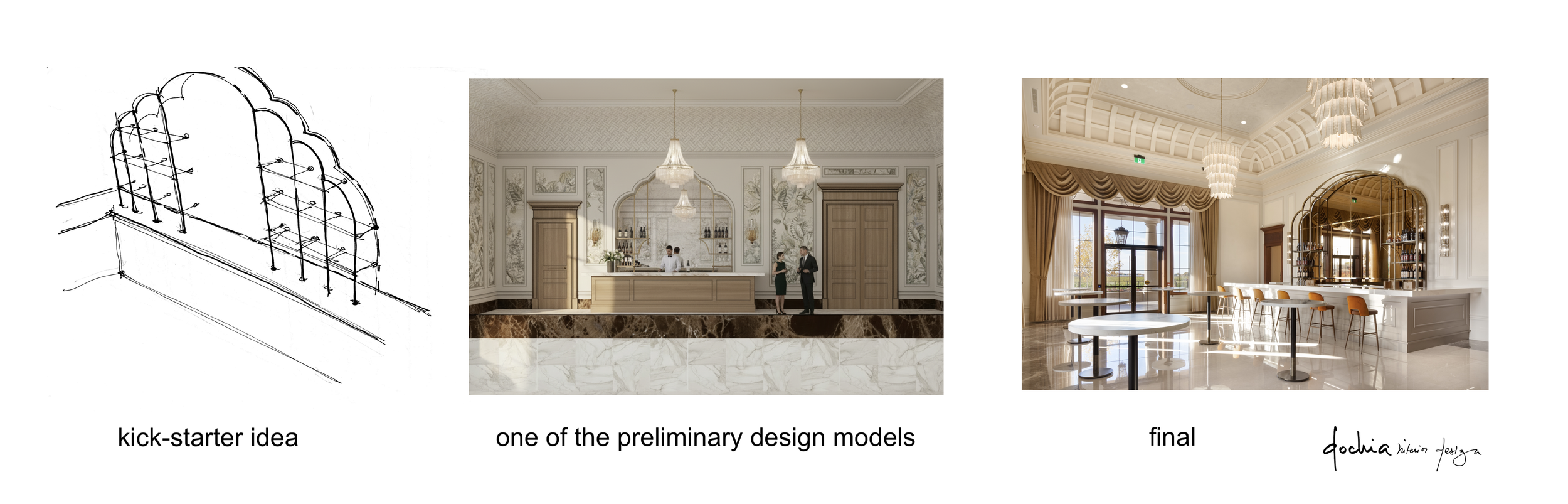
The evolution of design over years
The Timeline Behind the Project
From early concept discussions to final construction phases, the winery evolved through multiple stages of development. Each phase required coordination between architecture, interior design, and operational planning.
The early design stage focused on defining the relationship between building and vineyard. Orientation, views, and circulation paths were studied to ensure that the structure would sit naturally within the landscape. Once the architectural framework was established, interior design development followed. Materials, spatial proportions, and furniture integration were explored as part of the same architectural logic rather than as separate layers.
Because wineries operate simultaneously as production environments and hospitality venues, practical considerations were equally present throughout the design process. Storage areas, service circulation, and operational logistics had to coexist with the public experience of the space. Construction introduced its own constraints. Building within an active vineyard requires coordination with land conditions, seasonal cycles, and the rhythms of agricultural work. Yet these constraints often shape the architecture itself. Projects that unfold over time tend to acquire a particular coherence—one that rarely emerges from accelerated timelines.
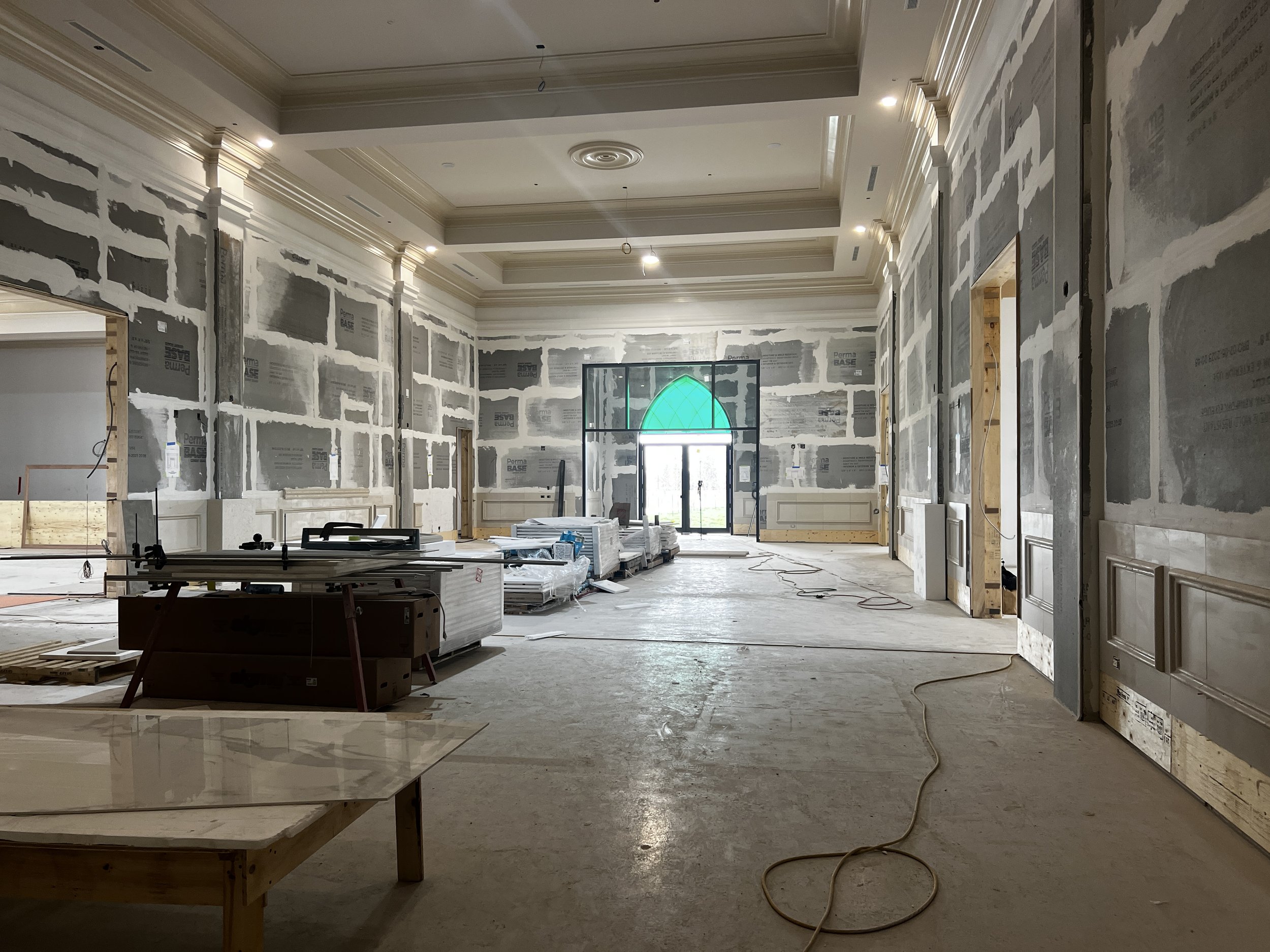
The lobby in construction showing the rhythm of pillars, the cassette-ceiling, and enlarged glazing towrd the entrance
A Space for Gathering
At its heart, Stone Eagle is a social space. Wine culture thrives on conversation, between winemakers and visitors, between friends discovering a new vintage, between travelers and the landscape they are exploring. The winery’s hospitality spaces therefore prioritize collective experience.
Seating arrangements encourage groups to gather comfortably while maintaining visual openness across the room. Views toward the vineyard remain visible from multiple vantage points, reinforcing the connection between interior activity and the agricultural landscape outside.
Lighting design plays a subtle but crucial role. During daytime hours, natural light defines the atmosphere, filtering through the architecture and shifting across materials as the sun moves across the sky. In the evening, artificial lighting creates a warmer, more intimate environment, transforming the winery into a place where conversations linger long after the last tasting.
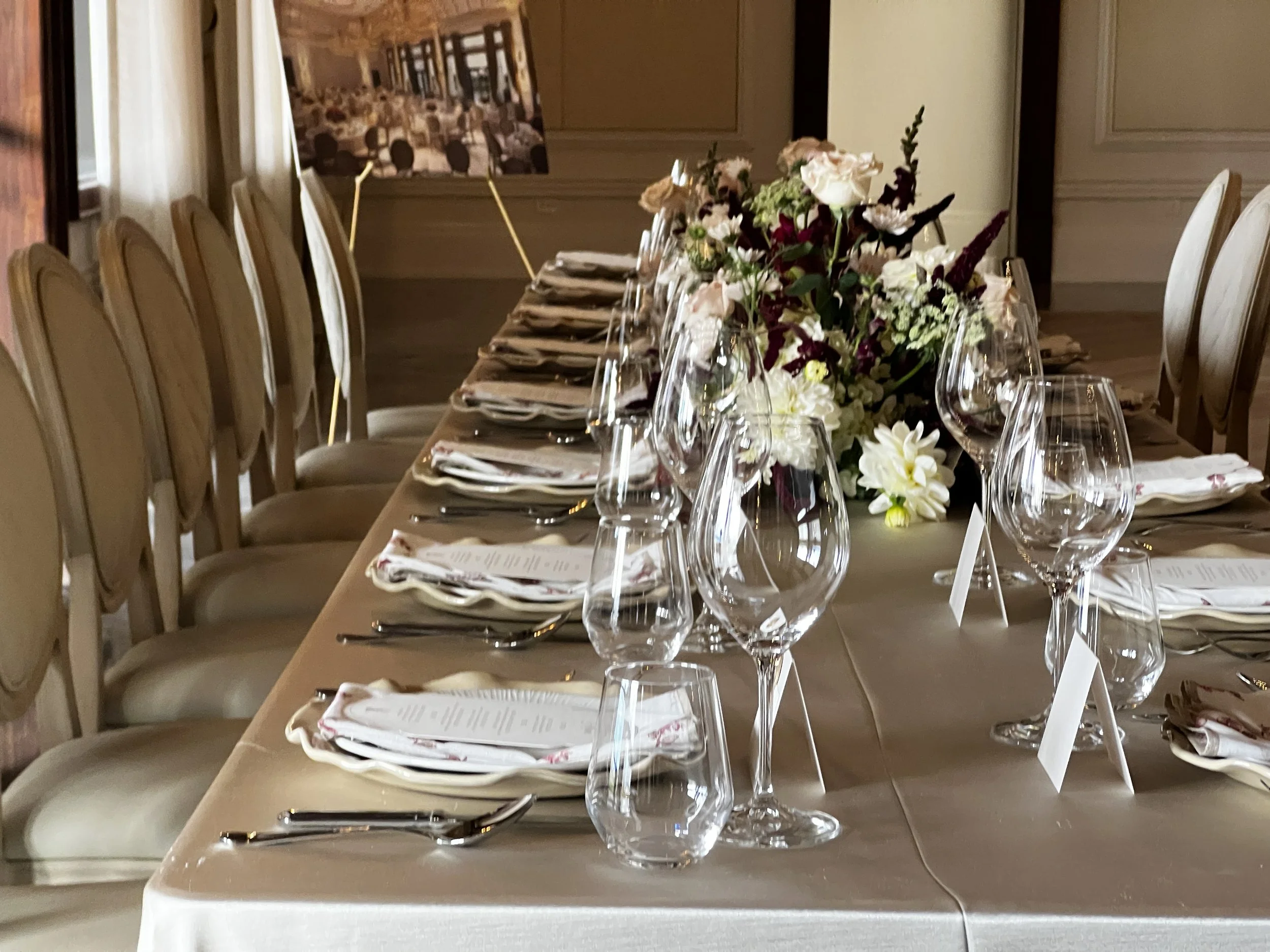
The Event Ballroom setup for reception
Recognition on the International Stage
The LIV Hospitality Design Awards recognize projects that advance the field of hospitality design through innovation, coherence, and cultural relevance. Stone Eagle Winery was selected as a winner within this international framework, an acknowledgment that thoughtful design can elevate everyday experiences.
For the project team, the recognition reflects more than aesthetic achievement. It highlights the importance of designing hospitality environments that respond meaningfully to their context. Wineries occupy a unique position in hospitality design. They are simultaneously agricultural sites, cultural destinations, and architectural landmarks.
A successful winery must accommodate these identities without allowing one to overshadow the others. Stone Eagle’s recognition suggests that such balance remains both possible and valuable.
“Designing in a vineyard means accepting that the program sets the rules. Architecture doesn’t dominate here, it participates.”
A Conversation About Design
To explore the thinking behind the project, James DeVries spoke with Adriana Mot, the interior designer responsible for shaping the spatial experience of Stone Eagle Winery.
In the conversation, she reflects on the role of design in hospitality environments and the importance of aligning architecture with cultural rituals.
Among the topics discussed:
• how spatial sequencing influences guest experience
• the challenges of designing within an agricultural landscape
• the subtle relationship between material choices and sensory perception
• and why restraint can sometimes be the most powerful design strategy.
The interview reveals a design philosophy rooted in observation and patience—qualities that resonate strongly with the culture of wine itself.
(The full interview appears in the current issue of Land of Dochia Magazine.)

Adriana, in the vines in 2023 - next to the winery, during construction
Winemaking in Niagara
Winemaking itself has a history stretching back more than 8,000 years, with early evidence emerging from the Caucasus region before spreading through the Mediterranean with Greek and Roman cultivation traditions. As European settlers carried vines and viticultural knowledge across the Atlantic, wine culture gradually took root in North America. In Canada, the unique climate of the Niagara Peninsula—shaped by Lake Ontario and protected by the Niagara Escarpment—proved particularly suited to viticulture. Over the past decades, Niagara-on-the-Lake has evolved into one of North America’s most respected wine regions, where landscape, agriculture, and hospitality continue to develop together.
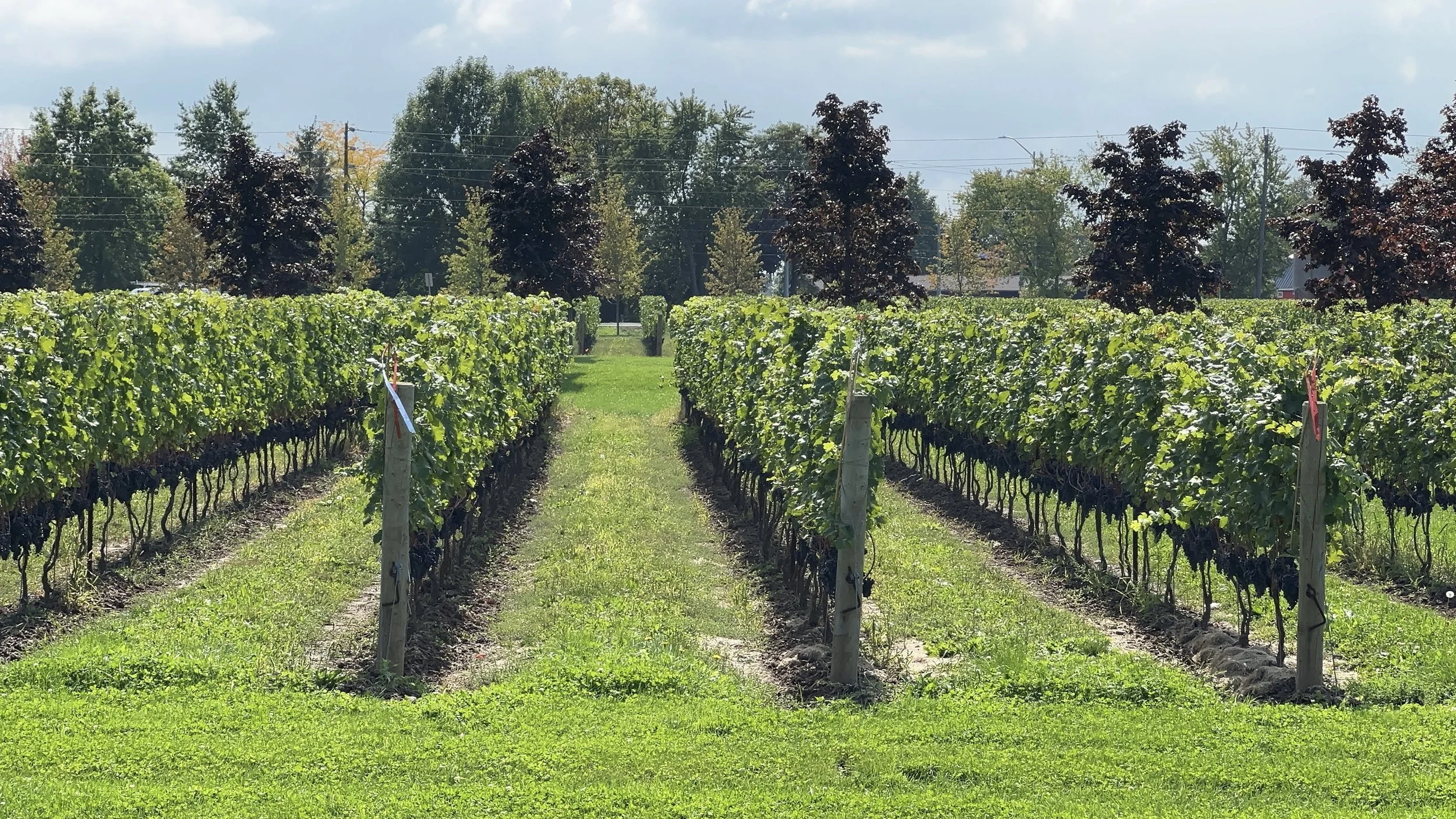
The mature vines at Stone Eagle, as of 2025
A Destination for Gatherings and Events
Beyond wine tastings, Stone Eagle Winery is also emerging as a sought-after venue for private events, celebrations, and corporate gatherings in Niagara-on-the-Lake. The spatial layout, generous views across the vineyards, and carefully designed hospitality areas allow the winery to host intimate dinners, weddings, and curated cultural events within a setting that feels both refined and deeply connected to the landscape. For event planners seeking distinctive venues in Ontario’s wine country, Stone Eagle offers the rare combination of architectural character, vineyard atmosphere, and contemporary hospitality infrastructure.
Designing for Memory and The Future of Winery Design
Wine tourism has gradually expanded the role of wineries beyond production sites. They now operate as cultural destinations as well as places of cultivation. Visitors arrive not only for tastings but for environments where landscape, architecture, and hospitality intersect.
Stone Eagle Winery reflects this evolving condition. The project situates architecture within the rhythms of the vineyard while accommodating the social life that now surrounds contemporary wine culture. The project maintains continuity with the traditions that define winemaking while suggesting how winery architecture can continue to evolve.
Hospitality spaces are often judged by immediate impressions: visual impact, novelty, spectacle. But the most enduring environments remain in memory long after visitors leave. Visitors will remember the view across the vineyard, the texture of materials, the measured rhythm of the rooms. They will remember conversations shared at a table and the subtle shift of light as afternoon turns toward evening.
Designing such a space requires attentiveness to context and culture. Stone Eagle’s international recognition affirms the value of that attentiveness. And for visitors arriving among the vineyards, the experience feels exactly as it should: elevated, welcoming, and deeply connected to place.
View the full Stone Eagle Winery project → Stone Eagle Winery
Team
Interior Architecture and Design - Dochia Interior Design
Furniture procurement: Stone Eagle Winery and DesignAgency
Builder: Solmar Development
Artistic metal
Faux finish
Electrical
Tile and Slab
